
Powered By



 Knowing what symptoms to look out for in immunoglobulin A nephropathy (IgAN) can help you recognize signs of the disease and seek medical care. IgAN — also known as Berger’s disease — is an autoimmune disease that affects the kidneys’ filtering system.
IgAN develops when immunoglobulin A (IgA), a type of antibody, builds up in the kidneys. These deposits can cause inflammation and damage the kidneys’ filtering system.
IgAN can go undetected for years. Without treatment, IgAN can lead to chronic kidney disease and, in some people, kidney failure, also called end-stage renal disease (ESRD). This article explains the different signs and symptoms of IgA nephropathy.
 Symptoms of IgA Nephropathy
 Many people with IgAN don’t have symptoms early in the disease. Over the course of several years to decades, the kidneys slowly become damaged, eventually causing noticeable symptoms.
If you begin experiencing one or more of the following four symptoms, talk with your regular doctor or a nephrologist (kidney specialist).
The most common first symptom of IgAN is hematuria (blood in the urine). Sometimes, the amount of blood is so small that it can only be found with a urine test or seen under a microscope. In other cases, the blood is visible, turning the urine pink, red, or brown, similar to the color of cola or tea.
You may notice blood in your urine during or soon after a respiratory infection, such as a cold or sore throat, or after intense exercise. When your body is fighting an infection, it increases the production of antibodies, including IgA, to help destroy bacteria or viruses. As a result, IgA-containing deposits can build up in the kidneys, causing inflammation and damage that can lead to hematuria.
Your kidneys contain about 1 million nephrons — tiny structures that filter your blood. Each nephron has a glomerulus, which filters out fluid and waste while keeping proteins and blood cells in the bloodstream.
When the glomeruli are damaged, blood cells can leak into the urine. Hematuria can be a sign of damage to the glomeruli.
Foamy urine may be caused by too much protein, a condition called proteinuria. It can be a sign that IgA nephropathy is damaging your kidneys.
Proteins play many important roles in the body, including building muscle, repairing tissue, and fighting infection. When the kidneys’ filters are damaged, a protein called albumin can leak into the urine. This is called albuminuria.
Normally, proteins are too big to pass through the kidneys’ filters, so they stay in the blood. In IgAN, damage to these filters can allow proteins to leak into the urine.
If you notice you’re taking more trips to the bathroom, there may be several reasons for this symptom. Because the kidneys filter the blood and produce urine, changes in kidney function can affect urination.
Some medications can also make you need to urinate more often. For example, diuretics may be prescribed to help remove extra fluid, and increased urination is a common effect of these medicines.
Let your healthcare provider know if you notice changes in how often you urinate or if your urine looks foamy. These changes can have many causes, and a urine test can check for protein, blood, and other signs of kidney problems.
As IgAN progresses, your kidneys can become more damaged and no longer work as well. You may begin experiencing kidney disease symptoms, including edema.
Your kidneys help clear out extra fluid from your body through your urine. The kidneys’ tubules return water and other substances your body needs to your blood, and the remaining fluid becomes urine.
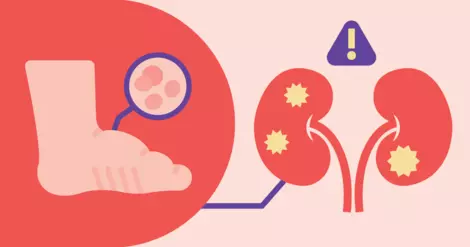
In people with IgAN, kidney damage can disrupt fluid balance. Albumin helps keep fluid inside your blood vessels, so losing too much albumin in your urine can contribute to fluid buildup in your tissues. This extra fluid can collect in your feet, ankles, and legs, causing swelling.
IgAN can also cause puffiness around the eyes, especially in the morning. This is another sign of edema. Your healthcare provider may prescribe a diuretic to help your body get rid of excess fluid through urine.
Fatigue can occur as kidney function declines, and people with IgAN can feel weak or tired. This symptom can have a significant impact on quality of life.
Fatigue can have many possible causes. Stress, poor sleep, infections, medications, and worsening kidney function may all play a role. If you’re waking up often at night to use the bathroom, disrupted sleep could contribute to fatigue.
Severe fatigue can occur with advanced kidney disease or kidney failure, but fatigue alone doesn’t necessarily mean your kidneys are failing. Seek prompt medical care if severe fatigue occurs along with other concerning symptoms or a sudden change in your health.
Talk to Your Doctor About IgA Nephropathy If you’ve recently noticed one or more symptoms of IgAN, make an appointment to talk with your doctor or nephrologist. They can run tests to check your kidney function and determine what may be causing your symptoms.
Early detection and treatment may help slow kidney damage and lower the risk of complications. Tests your nephrologist might suggest include:
Urine and blood tests can show signs of IgAN and how well the kidneys are working. However, a kidney biopsy is needed to confirm an IgAN diagnosis.
Depending on your symptoms and risk of disease progression, your nephrologist will suggest treatment to slow kidney damage and reduce symptoms. Treatment options now include supportive care and newer IgAN-specific medications.
Supportive care treatment options may include:
For some people, treatment may also include corticosteroids to reduce inflammation and the immune response.
Newer IgAN-specific targeted medications work in different ways to help protect the kidneys. Some can reduce protein levels in urine, while others target parts of the immune system involved in IgAN. These options include:
Agents that block APRIL or both APRIL and BAFF — These proteins help control how the immune system makes antibodies. Blocking them may reduce the harmful antibodies linked to IgAN.
On myIgANteam, people share their experiences with IgA nephropathy, get advice, and find support from others who understand.
How do IgA nephropathy symptoms affect your life? Let others know in the comments below.
Get updates directly to your inbox.


Is Iga and lupus nephritis the same


 Continue with Facebook
Continue with Email
Continue with Facebook
Continue with Email
Continue with Facebook
Continue with Email
Continue with Facebook
Continue with Email
Become a member to get even more





 Join
Join



 Your Privacy Choices

This is a member-feature!
Sign up for free to view article comments.
I have had foamy urine for several months. I have mentioned it to staff at the Kidney Clinic at our local hospital, but they didn’t seem too concerned. Also, about a month ago, I had a very painful… read more
We'd love to hear from you! Please share your name and email to post and read comments.
You'll also get the latest articles directly to your inbox.