
Powered By



Immunoglobulin A (IgA) nephropathy is a type of kidney disease that can affect anyone. Getting the diagnosis can be scary and challenging, and you may wonder how living with IgA nephropathy may affect your life expectancy. This article will cover the six most important factors that have an impact on the outcome and prognosis of IgA nephropathy.
It’s important to note that the terms “outcome” and “prognosis” can refer to both the timeline of progression to kidney failure and overall life expectancy.
IgA nephropathy happens when immunoglobulin A, a type of antibody (immune-system protein), builds up in the kidneys and causes inflammation. Normally, immunoglobulins fight foreign bacteria or viruses. In IgA nephropathy, the IgA is defective, and the body mistakenly produces antibodies that attack IgA. These antibodies and IgA together form complexes (clumps) that get stuck in the kidneys and start harmful reactions there. Over time, this can lead to kidney damage.
Understanding the factors that influence the outcome of this disease can help people living with IgA nephropathy and their loved ones manage it better.
Proteinuria occurs when there’s too much protein in urine. Normally, the kidneys filter waste but keep important substances, like protein, in the blood. When the kidneys are damaged, they can let protein slip into the urine.
High levels of protein in the urine are a sign of poor renal (kidney) function. Studies show that people with high proteinuria tend to have a worse prognosis over many years. Keeping proteinuria under control is important for improving outcomes.
Your nephrologist (kidney specialist) will monitor this condition by taking a urine sample to measure the levels of protein in your urine. Keeping track of proteinuria is important for managing kidney diseases like IgA nephropathy because it helps in adjusting treatments and preventing further kidney damage.

When you have IgA nephropathy, your kidneys are already inflamed due to the buildup of IgA antibody complexes. Over time, the kidneys slowly get scarred and can’t properly remove waste from blood.
To manage this, your healthcare provider will monitor your estimated glomerular filtration rate (eGFR), which is a measure of how well your kidneys are filtering blood. A lower eGFR indicates worse kidney function.
Several factors are used to calculate eGFR, including age, sex, and creatinine level. Creatinine is a waste product found in blood that the kidneys usually filter out. By measuring the amount of creatinine in your blood, doctors can estimate how well your kidneys are working. If creatinine measurements don’t provide all the information needed, doctors might measure a protein called cystatin C instead.
The eGFR at the time of diagnosis is important for determining disease severity. People with a lower eGFR have more advanced kidney damage and are at higher risk of progressing to kidney failure.
Blood pressure is the force of blood pushing against the walls of the arteries. Hypertension (high blood pressure) can put extra strain on the blood vessels in the kidneys. Over time, this strain can cause the vessels to thicken and narrow, reducing blood flow to the kidneys. As a result, the kidneys get less oxygen and nutrients, which can lead to further damage and scarring.
High blood pressure is both a cause and a consequence of kidney disease. In IgA nephropathy, controlling blood pressure is important because hypertension can also worsen ongoing inflammation in the kidneys, speeding up the progression of kidney damage. The current recommended blood pressure target for adults with chronic kidney disease is 120/70 millimeters of mercury (mm Hg).
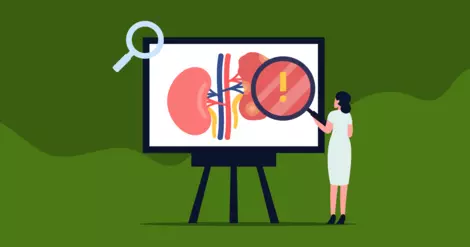
A kidney biopsy is the only way to confirm IgA nephropathy. This procedure involves taking a small sample of kidney tissue to look at under a microscope. The results can show how much damage there is and what kind.
The findings from a kidney biopsy give important clues about the disease. Doctors use the Oxford classification system to describe five aspects of kidney disease, also known as the MEST-C score. These factors include:
IgA antibody complexes get stuck in the glomerulus, so damage usually starts in the glomerular area and its blood vessels. Other parts of the kidney become involved later.
In IgA nephropathy, proteinuria and damage caused by the immune system can extend to the tubules and interstitium, leading to inflammation and scarring. Damage to these parts is a strong indicator of chronic kidney disease and is linked to a worse prognosis. When there’s fibrosis (a lot of scarring), the kidneys have trouble functioning properly.
Doctors can predict the progression of the kidney damage based on your MEST-C score and may tailor treatment plans more precisely.
Your age can influence how IgA nephropathy progresses. Generally, people diagnosed at older ages have a worse prognosis. Physiological sex also plays a role, with males often showing a more aggressive form of the disease, according to Mayo Clinic.
Understanding how age and sex affect the disease helps in predicting outcomes and tailoring treatment plans. For example, older people might need more aggressive treatment or closer monitoring.
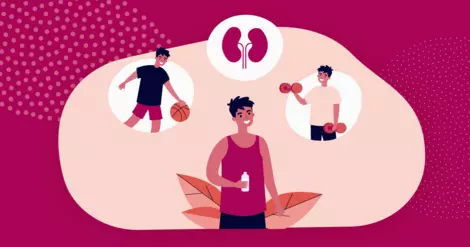
Your lifestyle can also affect your outcome. For example, eating a healthy diet and getting stress under control may influence your prognosis with IgA nephropathy.
A balanced diet of vegetables, fruits, lean protein, and whole grains supports overall health and can help manage symptoms of IgA nephropathy. Some studies suggest that a plant-based diet may be beneficial for kidney health.
Although protein is essential for health, eating too much protein can put extra strain on the kidneys. Work with a registered dietitian to find the right balance for your needs.
Limiting salt intake helps control blood pressure, which is key for slowing kidney damage. Aim for less than 2 grams of sodium per day. Your nephrologist may have more specific advice on sodium intake for you to follow.
Managing stress is important for kidney function and overall health. Techniques such as meditation, deep breathing exercises, and yoga can help reduce stress and improve your well-being.
Every person living with IgA nephropathy is different. Keep in touch with your kidney specialist, attend all recommended appointments, and work with your doctor to find an effective treatment plan that works for you. Making certain lifestyle changes and talking to your doctor about medication options may help you maintain kidney function and improve your outcome with IgA nephropathy.
Below are additional lifestyle factors that can affect IgA nephropathy. Adopting some healthy habits may improve your outcome.
Iptacopan (Fabhalta) was approved by the U.S. Food and Drug Administration (FDA) in 2024 to reduce proteinuria in adults with IgA nephropathy who are at risk for kidney disease progression.
Other medications may also be used to manage IgA nephropathy. These drugs include:
In case of kidney failure, you may need dialysis or a kidney transplant. Further research is underway to find new treatments that work in different ways to improve outcomes.
Regular follow-ups with your nephrology specialist are essential for monitoring renal function, adjusting treatments, and catching any new or worsening issues. Follow your nephrologist’s recommendations for lab tests and other monitoring, and be sure to ask them any questions you have about living with IgA nephropathy.
On myIgANteam, people share their experiences with IgA nephropathy, get advice, and find support from others who understand.
What lifestyle changes have you made to improve your IgA nephropathy prognosis? Let others know in the comments below.
Get updates directly to your inbox.


is high cholesterol damaging to kidneys


 Continue with Facebook
Continue with Email
Continue with Facebook
Continue with Email
Continue with Facebook
Continue with Email
Continue with Facebook
Continue with Email
Become a member to get even more





 Join
Join

 Your Privacy Choices

This is a member-feature!
Sign up for free to view article comments.
Great information 👍.
We'd love to hear from you! Please share your name and email to post and read comments.
You'll also get the latest articles directly to your inbox.